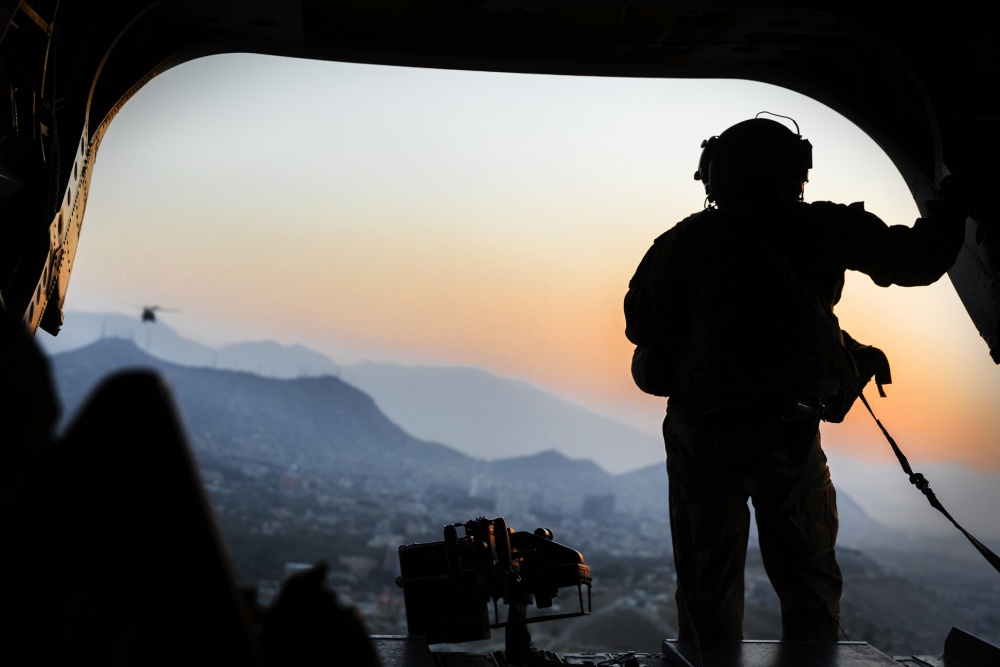
This week, President Joe Biden announced that all American troops would leave Afghanistan by 11 September 2021, bringing America’s longest war towards an end.
Twenty years.
That number feels almost impossible to understand. The war began before I was born. An entire generation of Americans and Afghans has grown up knowing Afghanistan as a country at war.
At first, ending it seems like the obvious decision. If twenty years of fighting has not created lasting peace, how many more years would? Five? Ten? Another twenty?
But the more I thought about it, the less obvious the answer became.
America entered Afghanistan after the September 11 attacks in 2001, with the objective of destroying al-Qaeda’s base and removing the Taliban government that had sheltered it. What followed became something much larger: rebuilding institutions, supporting an Afghan government and military, and attempting to prevent the Taliban from returning to power.
Now America is leaving without completely achieving those goals.
Biden’s argument is essentially that there will never be a perfect moment to withdraw. Staying until Afghanistan is completely stable could mean remaining indefinitely. Leaving, however, creates another problem: what happens to the people who depended on the American presence once American soldiers are gone?
That is what bothers me most.
It is easy to discuss withdrawal through numbers: troops, years, money and casualties. It is harder when those numbers become people. Afghan civilians have lived through decades of conflict. Women and girls gained freedoms under the post-Taliban political system that could become vulnerable if the Taliban becomes stronger again.
So is leaving an act of peace, or simply deciding that a war is no longer yours to fight?
I used to think political decisions could usually be divided into the good choice and the bad choice. Afghanistan makes that difficult. Continuing the war means accepting that more people may die for a strategy that has already lasted twenty years. Ending it means accepting that leaving may itself have consequences.
Perhaps leadership is sometimes not choosing between right and wrong, but choosing which consequences you are prepared to take responsibility for.
I still think America has to leave eventually. No war should continue simply because ending it is frightening. But after twenty years of involvement, withdrawal cannot mean forgetting Afghanistan the moment the final soldier leaves.
Ending a war and ending responsibility for it may not be the same thing.

