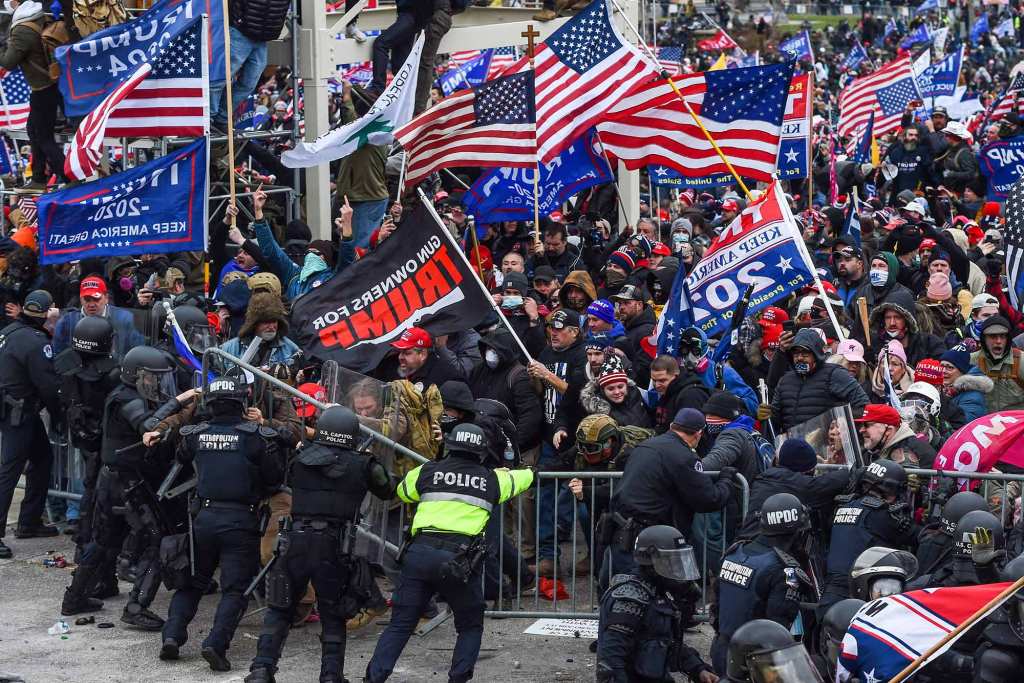
This week, global politics reflects the complex interplay of power transitions, regional diplomacy, and strategic signaling, illustrating how domestic events often ripple into the international arena. In the United States, the finalization of the November 2020 election results comes against a backdrop of political turbulence. On 6 January, supporters of the outgoing President storm the Capitol Hill, interrupting Congress as it moves to certify the election outcome. The event demonstrates not only the volatility inherent in power transitions but also the resilience of constitutional structures. I observe how institutional mechanisms, such as Congress and the Vice President’s role, act as stabilizers even amid unprecedented disruptions. The subsequent announcement that the incoming President and Vice President will be certified reflects the capacity of democratic institutions to withstand pressure, signaling stability to both domestic and international audiences.
Simultaneously, the Senate elections in Georgia produce results that shift the balance of power in the US Congress. The Democratic victories in both races underscore a subtle realignment within a traditionally Republican state, suggesting an evolving political landscape. This change is not only significant domestically but also for international actors watching the US, as it will influence policy direction, legislative priorities, and the future administration’s ability to govern effectively. I note how these internal developments carry external implications, particularly in terms of foreign policy signaling and international confidence in US governance.
In the Gulf, the thawing of Qatar-Saudi relations and the Al-Ula Summit mark a notable pivot in regional diplomacy. The reopening of the Abu Samra border and the reconciliation agreement reflect years of negotiation, pressure, and resilience. Qatar’s ability to maintain independent foreign policy while emerging from a blockade demonstrates the intricate balance of sovereignty, diplomacy, and economic strategy. I observe that the Al-Ula declaration represents not only a resolution of regional disputes but also a consolidation of multilateral cooperation within the Gulf Cooperation Council, reinforcing collective stability. This event signals to external observers, including global powers, the importance of nuanced engagement and measured diplomacy in sustaining regional security.
Iran’s announcement of uranium enrichment to 20 percent further illustrates the strategic dimension of state behavior. The move is framed by Tehran as compliance with domestic law, yet it functions as a bargaining lever as a new US administration assumes office. I observe that the stepwise approach to enrichment—publicly declared rather than covert—reflects careful calibration. It demonstrates an understanding of international negotiation dynamics, the signaling of intent, and the management of domestic political constituencies. This development reinforces how technical capabilities in nuclear programs intersect with broader geopolitical strategy and messaging.
In Hong Kong, the arrests of opposition politicians and activists under the National Security Law reveal ongoing tensions in governance and social movements. I note that while mass protests have largely subsided since mid-2019, the legal framework continues to redefine political engagement. These events highlight the intersection of law, civil society, and governance structures, offering insight into how policy instruments shape the behavior of political actors. From a comparative perspective, it underscores how different systems employ institutional mechanisms to maintain order, with implications for both domestic stability and international relations.
Beyond these focal points, several developments shape the regional landscape. In East Asia, Taiwan holds a strategic dialogue with the US, reflecting the careful calibration of security and political partnerships. Meanwhile, South Korea engages Iran to resolve a maritime incident involving a seized oil tanker, illustrating the interplay between economic stakes and diplomacy amid broader sanctions regimes. In South Asia, India continues negotiations with farmers and strengthens bilateral cooperation with Sri Lanka, reflecting domestic pressures interwoven with regional engagement. Globally, the rollout of COVID-19 vaccines begins to intersect with economic and diplomatic priorities, as countries plan logistics, approval processes, and multilateral collaboration.
Africa, Europe, and the Americas present similarly layered developments. Sudan’s normalization with Israel through the Abraham Accords exemplifies how long-standing tensions can be reframed through diplomacy, accompanied by economic incentives. South Africa prepares for its first vaccine shipments, navigating health policy and public communication simultaneously. Meanwhile, political transitions in Venezuela and institutional decisions in Brazil illustrate the continued interplay of domestic politics, economic obligations, and international credibility.
Taken together, this week highlights how political, economic, and diplomatic events intersect to create a complex global tapestry. I observe that even seemingly discrete developments—Senate elections, regional summits, or nuclear enrichment—carry wider implications for strategic stability, alliance management, and perception in international relations. Each event exemplifies how actors navigate competing priorities, leverage institutional mechanisms, and communicate intent to both domestic and external audiences. By examining these dynamics, one can appreciate the intricate architecture of contemporary global politics, where power, negotiation, and strategic foresight continuously interact.
This week reinforces my understanding of international relations as a field defined not only by actions but also by signals, resilience, and the nuanced balancing of competing priorities. Observing these developments, I recognize that strategic patience, institutional integrity, and the management of perception remain central to sustaining global stability, even amid turbulence.

